
Care to Action
Connecting Solutions for Beating Cancer
Care to Action was created on the basis of a simple and undeniable fact: sooner or later, everyone encounters cancer during their lives. It is not simply a medical issue, but a human experience affecting patients, families, professionals, institutions and the whole of civil society.
The project — developed by researchers at Bocconi University — puts persons at the center and recognizes that the fight against cancer is a collective endeavor comprising three different phases: prevention, diagnosis and treatment, follow-up and rehabilitation. This requires effective policies, innovation and economic models capable of making treatment and prevention accessible, but also an effort to listen to and understand people that have to go through an oncology experience.
Care to Action–Connecting Solutions for Beating Cancer is an open invitation to learn and participate in this effort. The aim is not only to delve deeper into the scientific evidence on a complex topic, but to understand how everyone can play an active role in a challenge affecting us all. It provides orientation and gives meaning to the steps taken to contribute as citizens to a more informed and effective alliance against oncological disease.
The Team
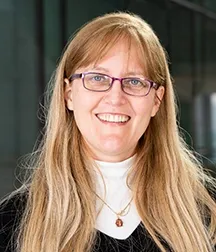
Full Professor iof Computational Biology at the Department of Computing Sciences, Bocconi University, and Principal Investigator at IFOM - the AIRC Institute of Molecular Oncology
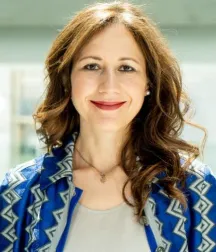
Associate Professor of Practice in Economia Sanitaria e HTA at SDA Bocconi School of Management
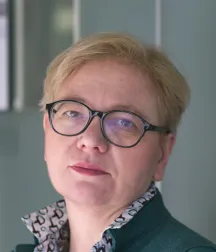
Associate Professor of Practice di Health Policy at SDA Bocconi School of Management
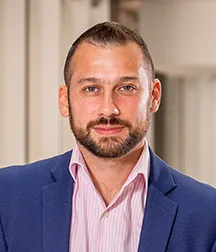
Assistant Professor, Department of Computing Sciences, Bocconi University
Prevention
I educate myself and expand on what I have learned.
I learn to listen to my body and recognize possible early warning signs.
I schedule regular medical checkups.
Find out more
Diagnosis & Treatment
I have an active role in choosing the treatment to follow.
I follow the protocol agreed upon by my medical team.
I monitor any side effects and communicate them to support staff.
Follow-Up & Rehabilitation
I consciously evaluate my options and agree on the best procedure with my support team.
I follow my rehabilitation program and undergo regular medical checkups and follow-ups.
I learn to manage any chronic conditions in the most effective way.
Find out more
Prevention
Health Education and Awareness
There are 1.3 billion smokers worldwide, and every year tobacco causes 8 million deaths.
Health Literacy refers to the ability to retrieve, understand and use health information in a knowledgeable manner. It means knowing how to read a label, interpret a diagnosis, but also choosing healthier lifestyles.
The CERGAS Project and the Veronesi Foundation
In the case of smoking, one of the main risk factors for cancer and other serious diseases, the project conducted by CERGAS Bocconi with the Veronesi Foundation demonstrates that fiscal policies — such as increasing the price of tobacco and cigarettes — can truly save lives and reduce the cost to society.
Because the more informed we are, the better we can take care of ourselves.
Detecting Possible Symptoms
Early cancer care is the set of actions that enable tumors to be detected as early as possible and for treatment to begin immediately.
It's a race against time, in which every single phase — from first suspicions to diagnosis and the start of treatment — must run smoothly.
The Lavender Policy Environment for Early Cancer Care project
The Lavender Policy Environment for Early Cancer Care project, led by CERGAS – SDA Bocconi School of Management, has highlighted two essential conditions for this process to be effective:
- a path developed together with all the actors involved — doctors, institutions, patients and associations;
-
careful planning that ensures continuity, with no delays or interruptions. Because starting early means giving more opportunities, more time, more life to individuals.
Discover the research project
Screening
The future of research lies in the ability to read and combine data.
Cancer is a complex disease, and its progression depends on many factors: biological, clinical, demographic and environmental.
Today, however, research is producing high-quality data that, if used well, can help us better understand this disease.
Francesca Buffa's Research
The research of Francesca Buffa, Professor of Computer Sciences and Computational Biology at Bocconi University, in collaboration with the IFOM laboratories, shows that AI can transform large amounts of data into useful knowledge for early diagnosis, personalized treatment and the development of new drugs.
The goal? To understand how tumor cells change and interact with their environment, thus improving clinical responses and finding new treatments for the most difficult-to-treat forms of cancer today. Because providing better answers to patients means being able to look beyond the diseasa.
Discover the research project
Thanks to artificial intelligence, medical imaging can be made sharper and easier to interpret.
It's a bit like going from a blurry photo to a high-definition one. For doctors, this means faster and more accurate diagnoses; for patients, more targeted and timely treatment.
The USE-Net project
The USE-Net project improved the "U-Net" AI model, designed for image segmentation, adding a system that helps the model "give more weight" to important details. Applied to prostate MRIs, it allowed for better distinction between different areas of the organ, generalizing also across multi-institutional datasets, thus offering valuable support for diagnosis and decisions concerning treatment. Because clearer and more detailed images translate into better targeted and safer treatments for each patient.
Discover the research project
Early Cancer Care

IA and Medical Imaging

Diagnosis & Treatment
Diagnosis and treatment planning
AI can be an instrumental tool for predicting how numerous variables interact within complex systems.
One example is precisely how different pharmaceuticals, when combined, interact with cancer and the patient's body.
The AI and Systems Biology laboratory at the AIRC Institute of Molecular Oncology
The AI and Systems Biology laboratory at the AIRC Institute of Molecular Oncology has developed a model to study the origin of cancer, the behavior of cancer cells and their response to pharmaceuticals, also in combination.
Thanks to these advanced models, researchers can simulate the progression of the disease and test more targeted therapeutic strategies at the time of diagnosis.
The objective is simple and tangible: to offer each patient more personalized, effective and timely care.
Discover the research project
Breast cancer is now the most common cancer in the world, surpassing lung cancer.
For many women diagnosed with breast cancer, there is no single path forward. Treatment options can vary, and choosing the most suitable one requires understanding and listening.
The SHAREVIEW Project
The SHAREVIEW Project has analyzed how these shared decisions between doctors and patients are made today, creating a digital tool that helps patients better navigate the available treatment options, understand their characteristics and actively participate in the medical process.
Because being aware and making choices together is the first step towards patient-centered care.
Discover the research project
A project carried out with CERGAS SDA Bocconi helped the region improve services.
Revamping the healthcare system is crucial at a time marked by new economic challenges, but also by great opportunities thanks to the Italian National Recovery and Resilience Plan (PNRR).
The Piedmont Oncology Network Project
The “Piedmont Oncology Network Project: The Implementation Process of a Well-Developed Clinical Network in Italy” has supported the Piedmont region in rendering the system more people-oriented. How?
Bolstering clinical networks allows patients to receive the right care, in the right place, at the right time.
Because a system that works well is one that is the first to be there, where it is truly needed.
Discover the research project
Treatment
There is now an online catalog that lists the main pricing and payment mechanisms for new technologies in the healthcare sector.
For innovative treatments to reach those who truly need them, it is not enough to read about them; a system is also needed to ensure their accessibility and sustainability.
The HI–PRIX Project
|
The HI–PRIX Project has mapped out pricing and payment patterns for healthcare technologies, analyzing access dynamics over time and across jurisdictions, as well as the effects of public policies and their impact on equity and innovation. The outcome is an online catalog designed to assist decision-makers and institutions in finding fairer and more successful solutions. Because truly innovating means making treatment a possibility for everyone. |
Discover the research project
What does “precision oncology” mean?
Precision oncology is one of the most promising frontiers in the fight against cancer. It is an approach that, thanks to genetic and molecular analysis of the tumor, allows for the selection of targeted medication that is more effective and has fewer side effects. These are treatments tailored to the individual, not only to the disease. Opportunities are endless, but actually putting them into practice requires organization, dialogue and a common vision.
The Precision Oncology Project, promoted by the Friuli Centrale University Health Authority
|
The Precision Oncology Project, promoted by the Friuli Centrale University Health Authority together with SDA Bocconi and the Alliance of Hospital Oncologists, has tested a collaboration model among doctors, institutions and scientific organizations to bring innovation to hospital wards on a daily basis. Because innovating in healthcare means giving the finest care to those who truly need it. |
After an initial reaction to pharmaceuticals, many tumors learn to adapt and defend themselves, reducing the effectiveness of treatments.
Thanks to complex computational models, researchers today can simulate how cancer cells will evolve, interact with their environment and — most importantly — respond to different medications or combination of medications.
The MicroC Project
The MicroC Project tackles this issue with an innovative approach: creating a controlled virtual environment using AI, in which cell behavior can be studied.
The ambitious, yet realistic goal is to anticipate resistance before it manifests in patients, to identify the most promising molecular targets and to choose the most effective treatments.
Discover the research project
Quality of life
When patients and their needs are truly listened to, better care is provided.
Not only with more effective medication, but also with more human processes that are aligned with the true needs of people.
A manifesto has been created to promote patient participation in decisions on research, regulation and health policies.
The PRO4ALL Project
The PRO4ALL Project has developed a manifesto outlining six points to promote patient-reported outcomes — data that describe their experience beyond clinical numbers.
The manifesto, among other ideas, calls for the following: greater involvement of associations in decision-making processes, updated guidelines, and widespread use of shared and proven tools to measure what really matters to those facing illness.
Because putting people first is not just a slogan; it is the first step to building a more equitable and effective healthcare system that encourages participation.
Discover the research project
Precision Oncology

Predicting Resistance to Medications

Follow-Up & Rehabilitation
Aesthetic and Reconstructive Procedures
90% of women with breast cancer must undergo surgery.
Even though the procedure is similar, the aesthetic outcome can vary greatly from person to person — and this has a profound impact on a woman’s emotional and psychological wellbeing.
The CINDERELLA Project
The CINDERELLA Project uses artificial intelligence to offer each patient a realistic simulation of how they will look after surgery. This provides concrete help to make more informed choices, feel more prepared, and above all, more confident.
Because treatment also depends on how we see ourselves in the mirror.
Discover the research project
Follow-up and Monitoring
In almost half of operated cases, the risk of recurrence within two years is significant.
But today, there is a promising way to better prevent this.
The SAGITTARIUS Project
The SAGITTARIUS project is testing an innovative approach for the post-operative phase of colon cancer: liquid biopsy, a simple blood test capable of detecting early signs of residual disease or tumor recurrence.
The goal is clear: to offer the right treatment, at the right time. Also to avoid unnecessary therapies, reduce side effects and significantly improve the effectiveness of treatment over time.
Because even after surgery, caring for patients means protecting their future.
Discover the research project
Thanks to technology, cancer can be treated like other chronic diseases, with tools that help patients take care of themselves every day.
LuCApp is an app designed for those living with lung cancer..
It allows patients to monitor symptoms in real time, improve communication with their medical team and receive personalized support, wherever they are.
Developed together with patients and oncologists, LuCApp has been field-tested and evaluated through a clinical trial. The goal? To improve quality of life and make treatment more accessible, timely and more humane.
Because technology can make a difference when it stems from listening and puts people first.
Discover te research project
Glioblastoma is the most aggressive brain tumor in adults.
In recent years, several experimental treatments have been proposed, but radiotherapy and chemotherapy are still the mainstays for treating it.
One of the main challenges in developing new therapies is the lack of biomarkers, biological signals that help understand how drugs work.
A Project by the Department of Computing Sciences Studying Biomarkers
The Department of Computing Sciences at Bocconi University is involved in a project studying biomarkers in the blood of glioblastoma patients.
The study will help better understand the mechanisms that make tumor cells resistant to therapies. For the first time, it will be possible to design personalized therapies for every patient. Because giving hope to those who face incurable cancer is a fundamental goal in medical research.
Discover the research project
Palliative care
To provide truly effective care to seniors affected by cancer and other chronic conditions, a new model is needed: simpler, more integrated and more digital.
Treating one disease at a time is no longer enough. Seniors with multiple chronic conditions need integrated care pathways that must take into account the complexity of their health condition and everyday lives.
The GERONTE Project
The GERONTE project offers a 360-degree geriatric and oncological assessment, supported by digital technologies and a multidisciplinary team that supports the patient at every stage.
The goal? To optimize pathways of patient care and maximize the efficiency of health systems’ resources.
Because good care means focusing on the person, not just the disease.
Discover the research project
Did you know that today, the patient can see in advance what the aesthetic outcome of different surgical approaches to remove breast cancer will be?

Did you know that more and more patients are facing multiple diseases simultaneously?
